


What Stops a Conveyor Belt From Becoming a Production Risk?
A conveyor belt failure doesn’t just stop production; it can stop an entire operation.
In heavy industry, conveyor systems are often described as the arteries of production. Whether transporting raw materials in mining, aggregates in cement plants, biomass in energy facilities, or bulk goods in ports and recycling operations, conveyors are critical to operational continuity. Yet many facilities still underestimate how quickly a minor conveyor issue can escalate into a costly downtime, equipment damage event, or serious safety incident.


The reality is simple, conveyor reliability is not achieved through reactive maintenance alone. It depends on continuous monitoring, rapid fault detection, and immediate safety intervention.
That is why modern conveyor protection systems have become essential operational infrastructure; not optional accessories.
At Kiepe.Industry conveyor safety and monitoring technologies are designed around one core objective, and that is preventing small deviations from becoming major operational failures.
The Hidden Cost of Conveyor Failures
When a conveyor belt fails, the visible issue is only part of the problem.
The real operational impact often includes:
- Unplanned production downtime
- Damage to belts, rollers, pulleys, and drives
- Material spillage and contamination
- Fire risks caused by friction or overheating
- Increased maintenance costs
- Safety hazards for personnel
- Supply chain interruptions downstream
In continuous-process industries, even a short stoppage can disrupt an entire production chain. A belt running off-centre, slowing unexpectedly, or failing to stop during an emergency can trigger cascading operational consequences.
This is why intelligent conveyor monitoring focuses on three critical protection layers:
- Emergency stop capability
- Speed monitoring
- Belt misalignment detection
Together, these systems create a proactive safety and reliability framework.
Emergency Stop Switches: Protecting People and Operations
In any conveyor environment, rapid shutdown capability is fundamental.
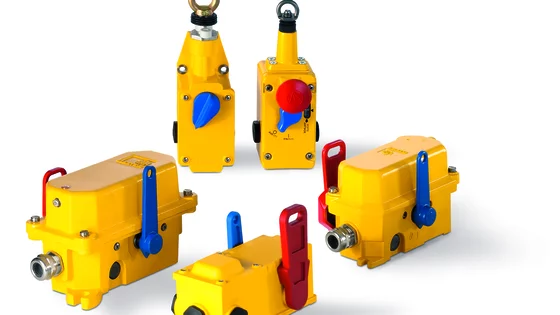
Emergency stop systems provide operators and maintenance teams with the ability to immediately halt conveyor movement during unsafe conditions. Pull-rope emergency stop switches installed along conveyor routes ensure that emergency shutdown can be activated from any point on the system.
But modern emergency stop systems do far more than simply stop machinery.
Industrial-grade systems must also withstand:
- Dust
- Moisture
- Vibration
- Extreme temperatures
- Corrosive environments
- Long conveyor distances
Kiepe.Industry’s emergency stop solutions are engineered specifically for harsh bulk material handling applications, combining robust mechanical construction with standards-compliant activation and fail-safe functionality.
The result is faster response during critical incidents and reduced risk to both personnel and infrastructure.
Speed Monitoring: Detecting Problems Before Failure Occurs
Conveyor speed is one of the most important indicators of system health.
A conveyor operating below or above its intended speed may signal:
- Drive failures
- Belt slippage
- Overloading
- Mechanical wear
- Material blockages
- Motor or gearbox issues
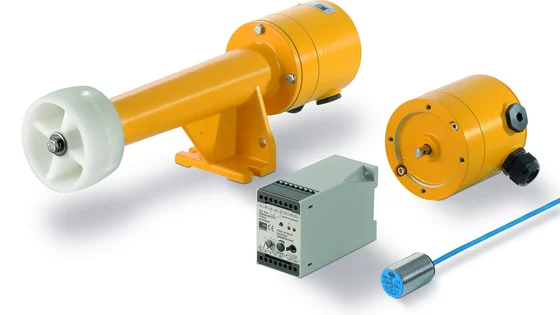
“Without monitoring, these conditions often remain undetected until damage has already occurred. Speed monitoring systems continuously track conveyor performance and trigger alerts or shutdowns when deviations exceed predefined thresholds. Kiepe Industry’s monitoring solutions include pulse transducers, standstill monitors, and electronic speed monitoring devices designed for industrial conveyor environments. This allows operators to identify abnormal operating conditions early, before they escalate into catastrophic failures or extended downtime.”, says Birgit Sacha, General Manager at Kiepe.Industry Duesseldorf.
In modern operations, predictive reliability increasingly depends on this type of real-time operational visibility.
Belt Misalignment Detection: Preventing Escalating Damage
A conveyor belt rarely fails without warning.
One of the earliest indicators of developing problems is belt misalignment.
When belts drift off-centre, the consequences can escalate rapidly:
- Belt edge damage
- Structural wear
- Roller failure
- Material spillage
- Friction heat generation
- Belt tearing
- Complete conveyor shutdown
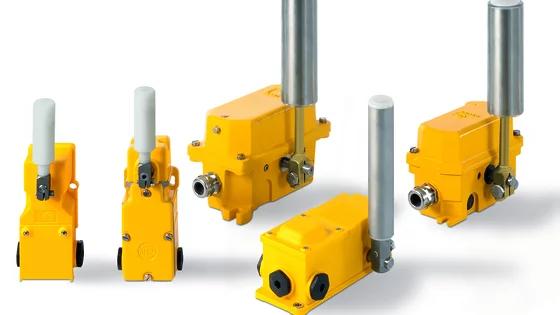
Misalignment switches act as an early warning and protection mechanism. Installed along conveyor routes, they detect abnormal belt movement and activate alarms or shutdown procedures before severe damage occurs.
Kiepe.Industry’s belt misalignment switches are engineered for harsh industrial applications and include configurable warning and shutdown thresholds. Some variants provide dual-stage switching, enabling operators to receive an advance warning before automatic system shutdown occurs.
This proactive approach transforms conveyor safety from reactive response to preventive protection.
Reliability Is a Strategic Advantage
As industrial operations become more automated and production targets more demanding, conveyor reliability is no longer just a maintenance issue, it is a strategic business priority.
Facilities that invest in intelligent conveyor protection benefit from:
- Reduced unplanned downtime
- Longer equipment lifespan
- Improved worker safety
- Lower maintenance costs
- Greater operational continuity
- Improved regulatory compliance
Most importantly, they reduce operational uncertainty.
Kiepe.Industry’s approach reflects this broader shift in industrial thinking that conveyor monitoring systems should not merely respond to failures, they should help prevent them altogether. With decades of expertise in conveyor safety technology for mining, bulk material handling, and heavy industry, Kiepe.Industry delivers robust monitoring solutions designed to perform reliably under the toughest operating conditions.
Because in modern industry, operational resilience begins long before a conveyor belt stops moving.
Kiepe.Industry GmbH
Commercial Contact
Birgit Sacha
General Manager
Kiepe.Industry / Factory Duesseldorf